Ayurveda for cataract is more than a historical footnote—it offers a holistic approach to managing lens opacity, slowing progression, and supporting overall eye wellness. While modern cataract surgery remains the primary intervention, Ayurvedic methods can help delay onset, support early stages and strengthen the eye’s internal environment.
Historical Roots of Ayurveda in Cataract Care
Cataract operations were in fact described in ancient Ayurvedic texts and conducted by Vaidhyars over a century ago. Ayurveda’s specialised branch for eye and ear disorders, Shalakya Tantra, has origins traced back to Sushruta and Vagbhata, and even earlier to King Nimi of Videha. These traditions show that eye health has long been an integral part of Ayurvedic care. Today, applying ayurveda for cataract means drawing on that heritage while combining dietary, procedural and lifestyle support.
Understanding Senile Cataract from an Ayurvedic Perspective
Senile cataract—also known in Ayurveda as Kacha, Timira or Linganasha—commonly develops in old age when the lens gradually loses transparency. Jaims Ayurveda correlates this with an imbalance in Kapha and Pitta doshas, accumulation of ama (toxins) and weakening of tissue metabolism. The lens (an asthi-related tissue) becomes clouded when digestive fire (agni) and microcirculation decline, which is why nutritional support and detoxification matter.
How Ayurveda for Cataract Works: Core Interventions
Internal herbal formulations
Ayurvedic texts and clinical studies highlight formulations such as Triphaladi Ghana Vati and Elaneer Kuzhambu Anjana for early or immature cataracts. A recent trial found that combining these preparations slowed progression in senile immature cataract. Research also shows antioxidant-rich herbs like Glycyrrhiza glabra may protect lens proteins.
External and local therapies
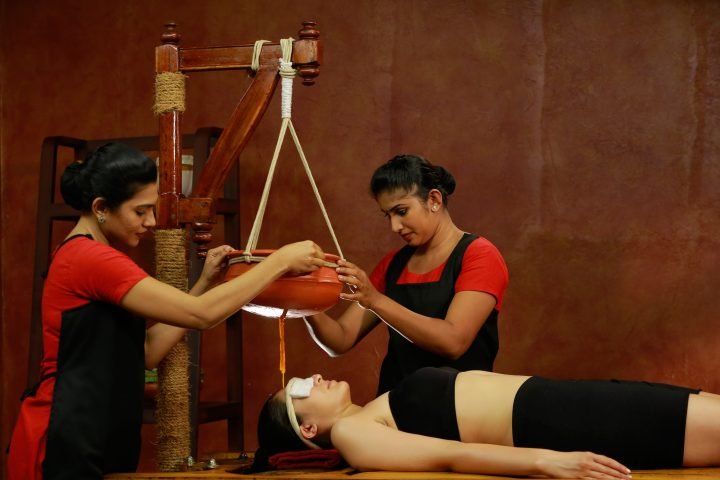
Procedures including Anjana (medicated collyrium), Tarpana (retaining medicated ghee over the eyes) and eye-drops prepared from herbal extracts support eye nourishment and circulation. These help reduce oxidative stress on the lens and improve ocular tissue health.
Lifestyle, diet and detox
Applying ayurveda for cataract also means removing aggravating factors: excess heat, fried foods, alcohol, poor sleep and screen strain. A diet rich in fresh fruits, leafy greens, and herbs like Amla and Triphala supports lens transparency. Detoxification and promoting circulation also prevent toxin build-up that accelerates cataract.
When and how to use Ayurveda for Cataract
Ayurvedic care is most effective at early stages or to delay cataract formation. Clinical evidence emphasises that once the lens opacity becomes advanced, surgical extraction remains the standard. But by applying ayurveda for cataract early—through herbal medications, daily eye routines and diet—you may slow progression, preserve vision and postpone surgery. Regular consultations and monitoring remain essential.
Choosing a Trusted Ayurvedic Eye Care Centre
Institutions dedicated to ocular Ayurveda have specialised departments and qualified Shalakya Tantra physicians. A centre like Itoozhi Ayurveda, for example, integrates classical treatments with modern diagnostics. At such centres you can expect thorough eye assessments, tailored herbal protocols and supportive therapies in a clean, patient-centric environment.
Embracing Ayurveda for Cataract in everyday life
Your eyes are precious. Applying ayurveda for cataract means more than taking herbs—it means attentive living. Nourish your body with the right diet, reduce screen overload, practise gentle eye care rituals and adopt a lifestyle that protects your vision. Early action can make a difference. With Ayurveda at your side, you regain not just clarity of sight but clarity of life itself.


8 Comments
vijay sharma · December 7, 2020 at 5:11 am
Dear sir i need the tripala gana vati 500 mg tablet for my eye cataract.. so where i will get this medicine
thanks
Itoozhi Ayurveda · December 10, 2020 at 4:05 am
Hello Vijay,
We have the medicine and we can courier it to you. Could you please share your postal mailing address and your phone number so that our Pharamacy Despatch team can take this forward? Thank you.
M.K.Subrahmanya Sharma · October 17, 2021 at 6:06 am
Dear sir i need the tripala gana vati 500 mg tablet for my eye cataract.. Inform me the amount to pay.
M.K.S Sharms
Ravichandra Vandal · February 18, 2022 at 10:33 am
I need triphala gana vat tablets 500 mg could you please send me through courier. I have given my email id please send me details of mode of purchase.
sukumar palat · October 31, 2022 at 3:40 pm
Can l put elaneer kuzhambu eye drop after cataract surgery
Itoozhi Ayurveda · November 23, 2022 at 6:32 pm
Dear Sukumar,
Tha nk you for contacting Itoozhi Ayurveda. Though Ilaneer Kuzhambu is a proven liniment for Eye care in Ayurveda, we would not able to advise you unless we have more clarity on the nature of the surgery, time since the surgery, extent of the surgery etc. Please feel free to call us on +91 4602274119 OR +91 96334 74119 for Kerala and +91 99029 00933 for Bengaluru, Karnataka to take this forward. Thank you.
Arunkrishna · October 22, 2023 at 6:08 pm
Dear sir I my right eye cataract surgery d on 23 August 23 now right eye is OK I need eyes drop to protect from ca you advice me
Left eye cataract surgery not done need medicine
Arunkrishna
Arunkrishna · October 22, 2023 at 6:15 pm
Dear sir I my right eye cataract surgery done on 23 August 23 now right eye is OK I need eyes drop to protect from ca you advice me
Left eye cataract surgery not done need medicine
Arunkrishna