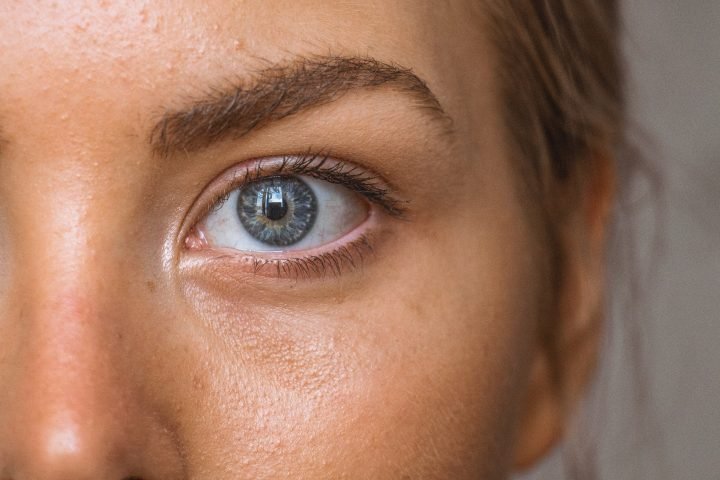
Eyes are our window to the world, and there are many conditions that can threaten their delicate balance. Among these, Uveitis is a serious inflammatory condition that affects the middle layer of the eye known as the uvea. The inflammation can damage vital eye tissues and, if left untreated, may result in blurred vision, chronic pain, or even permanent vision loss. The term “uveitis” is used because the swelling most often occurs in the uvea, though it can spread to other parts of the eye as well.
The Different Types
- Anterior Uveitis – The most common form, affecting the front part of the eye.
- Intermediate Uveitis – Involves the ciliary body, which connects the iris to the choroid.
- Posterior Uveitis – Affects the back portion of the eye, including the retina and choroid.
- Pan-Uveitis – A more severe condition where the entire uveal tract becomes inflamed.
Causes of Uveitis
Uveitis can arise from several factors, all linked by the common thread of inflammation. Sometimes, a toxic substance or external injury can trigger the condition. In other cases, it may be related to autoimmune disorders such as rheumatoid arthritis, lupus, or ankylosing spondylitis, where the immune system mistakenly attacks the body’s own tissues. Infections, including viral, bacterial, or parasitic, can also lead to Uveitis. Rarely, tumours in or around the eye may be the cause.
Common symptoms include:
- Persistent eye redness and pain
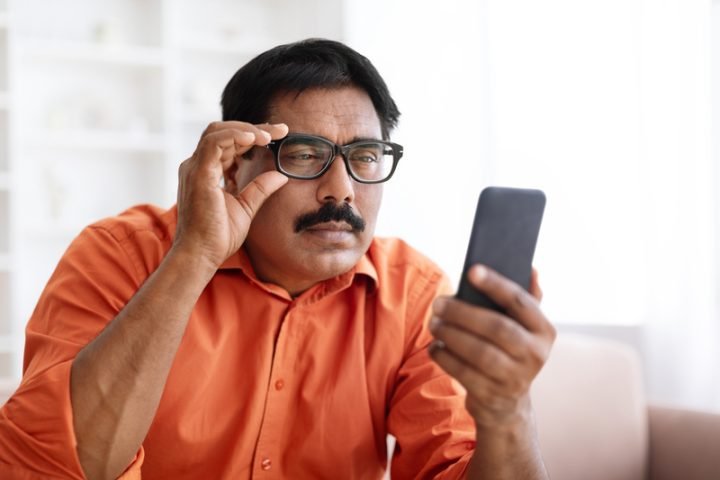
- Blurry or reduced vision
- Sensitivity to light (photophobia)
- Floaters – small spots or shadows moving in your field of vision
If you experience these symptoms, it’s vital to seek immediate medical attention. Early detection and treatment can prevent serious complications and protect your vision.
Ayurvedic Perspective on Uveitis
In Ayurveda, Uveitis can be correlated to “Paaka Shotha” or “Drishti Shotha”, conditions caused by imbalances in the Pitta dosha — the energy governing heat and metabolism in the body. According to Ayurvedic science, excess heat and toxins (ama) accumulate in the eyes, leading to inflammation and pain.
Treatment in Ayurveda focuses on restoring balance through detoxification, cooling therapies, and nourishing eye care routines. Panchakarma therapies like Nasyam (nasal medication), Seka (eye wash with herbal decoctions), and Tarpana (retaining medicated ghee over the eyes) are often prescribed. These help reduce inflammation, improve blood circulation, and strengthen the ocular tissues naturally.
Ayurvedic treatment also emphasises dietary and lifestyle adjustments — including the consumption of cooling foods, herbs like Triphala and Amalaki, and regular eye-rest practices. Leading Ayurvedic hospitals in Kerala combine these time-tested methods with modern diagnostic tools to manage it effectively, offering a holistic, side-effect-free approach to eye health.
By understanding both modern and Ayurvedic perspectives on Uveitis, one can make informed choices that support long-term eye wellness and preserve the gift of sight.

2 Comments
amol paharia · June 25, 2021 at 1:40 pm
Uveitis in left eye, blurred vision
Itoozhi Ayurveda · August 3, 2021 at 8:20 am
Hello Amol, apologies for this delayed response & thank you for reaching out to Itoozhi Ayurveda. Please do make an online based on your convenience via this link https://www.itoozhiayurveda.co.in/contact-us-for-ayurvedic-treatment-in-kerala/ and we would be glad to help you address it. Thank you.