Feeling anxious or restless is something most people experience today. The constant rush of modern life, work pressure, and digital overload can quietly corrode your peace of mind. If you’ve been searching for a natural, holistic solution, learning to control anxiety through Ayurveda may be the answer you’re looking for. Ayurveda views anxiety not as a random occurrence but as an imbalance in your body’s internal energies — something that can be gently restored through mindful diet, daily habits, and time-tested therapies.
Understanding Anxiety in Ayurveda
In Ayurveda, anxiety arises when Vata dosha – the element governing movement and the nervous system – becomes excessive. When Vata is balanced, you feel light, creative, and imaginative. But when it goes out of balance, it can cause mental restlessness, fear, confusion, and physical symptoms like dry skin, insomnia, and palpitations.
Ayurveda teaches that an anxious mind often lives in the future. You keep thinking ahead – worrying about what might go wrong -instead of living in the present. To restore peace, you must bring more Pitta (fire, focus) and Kapha (earth, stability) into your daily life.
Step 1: Strengthen Pitta – Reignite Your Inner Fire
To control anxiety through Ayurveda, the first step is to rekindle your inner fire or Agni. Ayurveda believes that we digest not just food but also our thoughts and emotions. When digestion weakens, toxins (ama) accumulate, clouding both the body and mind.
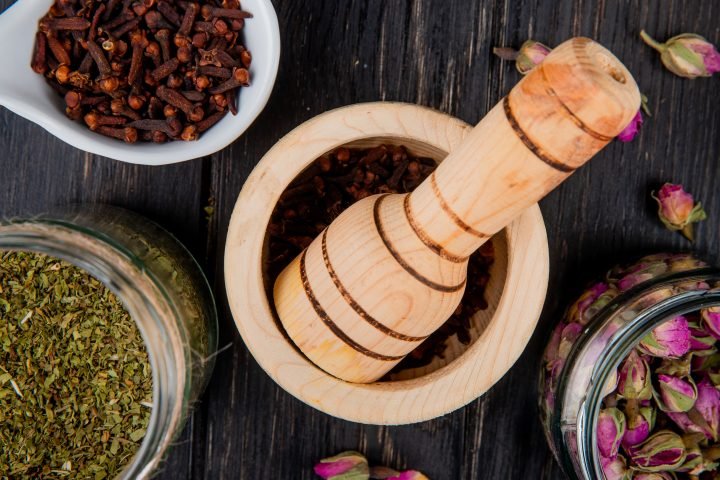
Support your digestive fire by eating warm, freshly cooked meals. Include mild spices like ginger, cumin, coriander, and fennel to activate Agni. Avoid cold drinks, raw foods, or irregular meal times — these aggravate Vata and can heighten anxiety. A steady, nourishing diet helps anchor the mind and calm internal turbulence.
Step 2: Nurture Agni – Heal Through Balanced Nutrition
A strong digestive system reflects mental clarity and emotional strength. Ayurveda recommends three structured meals a day with minimal snacking. Begin the day with a warm, grounding breakfast like porridge or stewed fruit. Lunch should be your heaviest meal, with all six tastes — sweet, sour, salty, bitter, pungent, and astringent — in balance. Dinner should be light and taken before sunset.
By enhancing Agni, you improve nutrient absorption and emotional resilience, which naturally reduces anxiety levels.
Step 3: Build Kapha – Create Routine and Stability
Kapha, the grounding element, brings structure, patience, and emotional endurance. When life feels unpredictable, establishing daily routines helps reduce anxiety. Try to wake, eat, and sleep at the same times every day. Consistency signals safety to your nervous system.
Introduce calming activities into your routine – gentle yoga, oil massage (Abhyanga), meditation, or simply walking barefoot on grass to connect with the earth. Ayurveda calls this Prithvi sambandha – the healing connection with nature.
Lifestyle Tips to Control Anxiety Through Ayurveda
- Focus on one task at a time. Multitasking scatters attention and worsens Vata imbalance.
- Prioritise sound sleep. Deep rest rejuvenates the mind and helps detoxify negative emotions.
- Reduce caffeine and alcohol, which increase restlessness.
- Surround yourself with warmth — in your food, environment, and relationships.
- Spend time outdoors. Natural light and fresh air help stabilise mood and regulate energy.
Ayurvedic Therapies for Anxiety
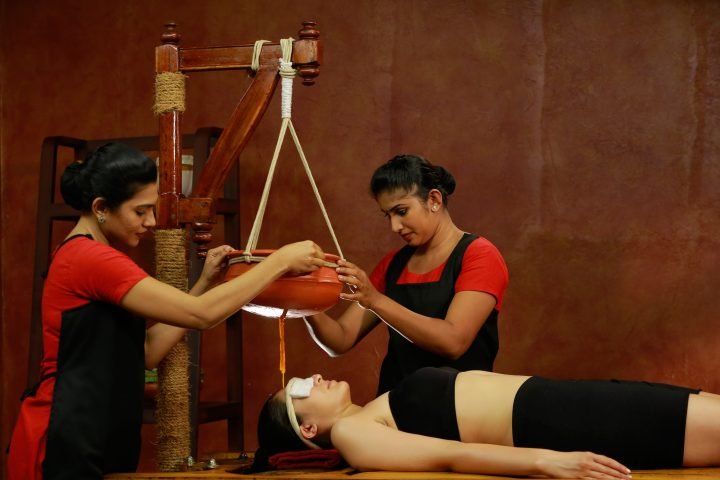
If lifestyle changes alone aren’t enough, Ayurvedic therapies such as Shirodhara (medicated oil pouring on the forehead), Abhyanga (warm oil massage), and Nasya (herbal nasal therapy) can offer deeper relaxation and restore doshic balance. Leading Ayurvedic hospitals in Kerala offer customised programs to control anxiety through Ayurveda, addressing both the body and mind for lasting relief.
Finding Calm, Naturally
Anxiety doesn’t have to control your life. Ayurveda offers a gentle, holistic way to regain balance-not by suppressing symptoms, but by addressing the root cause. When you follow Ayurvedic principles of balanced diet, mindful living, and regular therapy, you discover a more grounded version of yourself – calm, clear, and deeply centred.