The Ritusandhi is the transition state we experience in India as we go from Spring to peak Summer. Ayurveda describes a 15-day Ritusandhi as the period of time when your body is transitioning from varying seasonal temperatures. Because of the gradual temperature changes associated with Ritusandhi, your body’s natural immunity may be low during this time. As recently reported in many areas of southern and western India, this is when we will also see more cases of seasonal flu, viral fever, etc. Ayurvedic fever care during this transition involves careful evaluation and care.
Understanding fever in Ayurveda
Ayurveda defines fever or Jwara as more than just elevated body temperature. It indicates that our bodies are not in balance anymore, often starting with poor digestion or Agni. If one’s Agni has decreased, digestion decreases. As a result, the food we eat was not digested properly, resulting in the build-up of Ama (toxins) and is therefore disrupting the normal function of the body, and fever is the body’s way of eliminating this. This helps to explain why when a person has a fever they do not have much of an appetite to eat, because they are trying to conserve energy in order to return their body to balance.
Immediate home care steps
- Start by reducing your digestive burden (Langhana). Avoid heavy or hard to digest foods, drink warm water all day, and start with rice water for a gentle nourishment option. This may be followed by thin moong soup once your appetite begins to return.
- To help alleviate pain, try taking a lukewarm sponge bath.
- You can also make an easy to prepare herbal decoction by simmering ginger root, fresh tulsi leaves, several whole black peppercorns, and a small piece of giloy, allow to cool for a few minutes before adding some honey.
Gentle recovery diet
After a fever subsides, your digestive system may still be somewhat vulnerable for several days. Your body’s digestion will need to rebuild its strength. Gradually progressing through this process will allow you time to recover and rebuild strength safely.
Preventive tips during seasonal change
During the Ritusandhi time of year, it is best to consume warm and freshly cooked foods. Avoid cold water and food from refrigerator.
About Itoozhi Ayurveda Hospital
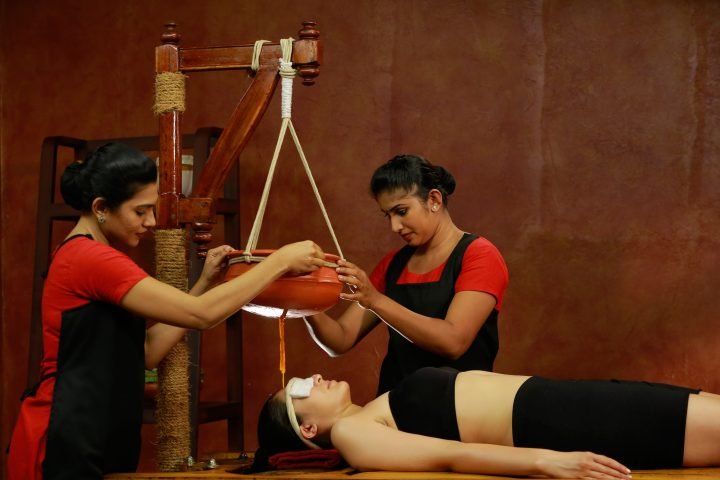
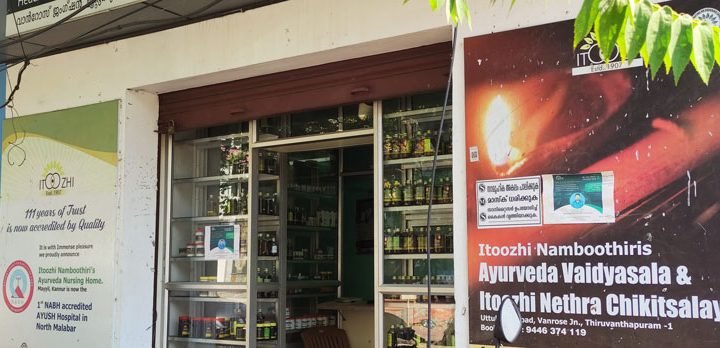
At Itoozhi Ayurveda Hospital, we use the principles of traditional Ayurvedic medicine in a personalised manner. This helps individuals recover from an illness and helps promote long-term overall health and wellness. The goal of Ayurvedic practitioners at Itoozhi Ayurveda Hospital is to help you strengthen your digestion, return your body to balance, and improve your immune system through personalised therapies. During season change times like Ritusandhi, experienced Ayurvedic practitioners will teach you what your body needs.