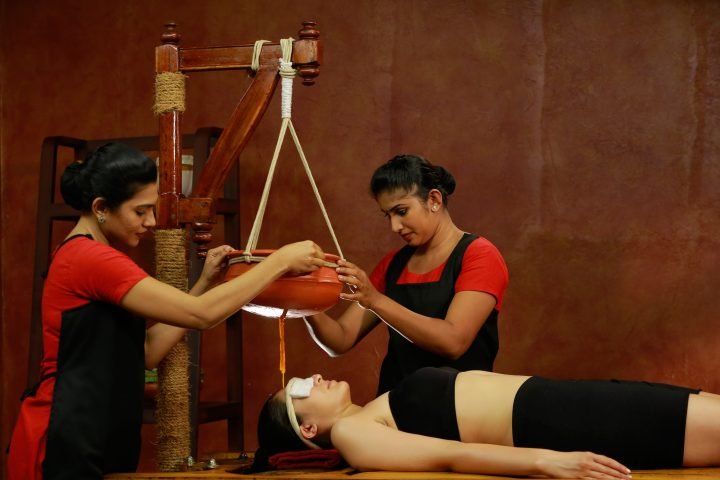
Parenting is one of the most profound journeys in life — one that demands patience, responsibility, and constant emotional presence. Modern parenting often focuses on material needs and academic success, but true parenting also means nurturing a child’s physical health, emotional balance, and moral grounding. Ayurveda, India’s ancient system of natural healing, offers timeless wisdom for this purpose. Ayurvedic parenting is all about raising children in harmony with nature, understanding their unique constitution, and creating an environment where body, mind, and spirit grow together.
Understanding Ayurvedic Parenting
Ayurveda believes that every child is born with a unique prakriti or body constitution, determined by the three doshas — Vata, Pitta, and Kapha. Recognising a child’s dominant dosha helps parents tailor food, routines, and emotional guidance accordingly. For instance, a Vata-dominant child may need more warmth, regular meals, and emotional security; a Pitta child thrives on calm surroundings and cooling foods; and a Kapha child benefits from stimulation and light, energising foods.
This awareness allows parents to guide their child with empathy and balance, rather than comparison or control.
Ayurvedic Care in Early Childhood
Ayurveda has a complete science called Kaumarbhritya dedicated to child care and development. Right from infancy, Ayurvedic principles help build a strong foundation for lifelong health.
- Breastfeeding and Nutrition: Mother’s milk is considered the most vital nourishment, strengthening both immunity and emotional bonding. Ayurveda also provides safe, natural methods to improve lactation in mothers when needed.
- Teething and Digestion: During teething, mild Ayurvedic remedies such as rubbing the gums with herbal oils or offering soft, soothing foods can ease discomfort. For common digestive issues like colic or constipation, gentle herbs like cumin, nutmeg, or dried ginger can restore balance when the child’s Agni (digestive fire) is disturbed.
- Introducing Food Mindfully: Ayurveda encourages freshly prepared, wholesome meals that suit the child’s digestion and dosha. Overly processed, cold, or preserved foods are best avoided.
Ayurvedic Daily Routine for Parents and Children
Consistency and rhythm form the backbone of Ayurvedic living. Simple daily practices, when shared by both parents and children, can create a peaceful and disciplined home environment.
Some essential Ayurvedic habits for families include:
- Dantadhavana (Brushing teeth) and Gandoosha (gargling) to maintain oral hygiene.
- Abhyanga (oil massage) to calm the nervous system and strengthen the body.
- Vyayama (gentle exercise or yoga) to keep the body flexible and energised.
- Meditation and Pranayama, which build emotional balance and improve focus.
These practices not only enhance physical health but also foster emotional connection and mindfulness within the family.
Parenting the Ayurvedic Way
Ayurvedic parenting also extends to emotional and mental health. Parents are encouraged to stay calm, patient, and self-aware — because children absorb not just what they are taught, but what they see. Meditation and yoga help parents manage stress and become better role models. Ayurveda emphasises moderation in everything — from food and sleep to screen time and activities.
A balanced lifestyle (ahara and vihara) ensures that both parents and children maintain equilibrium of the doshas, leading to a harmonious household.
Conclusion
Ayurvedic parenting is not about strict routines or complex rituals. It is about living consciously — with attention to nature, balance, and emotional warmth. By adopting Ayurvedic habits and principles, parents can nurture children who are not only physically healthy but also calm, compassionate, and resilient.
Leading Ayurvedic hospitals and wellness centres today also conduct special workshops for parents and children to help integrate these ancient practices into modern life — creating families rooted in wellness, wisdom, and love.