In our increasingly screen-driven world, Computer Vision Syndrome (CVS) has emerged as a common ocular complaint. Defined as the strain, discomfort and impaired vision arising from prolonged exposure to computers and similar visual display units, CVS affects many who work in front of screens for long periods. Modern medicine often offers symptomatic relief; Ayurvedic treatment for Computer Vision Syndrome offers a fuller, root-based perspective.
What is Computer Vision Syndrome (CVS)?
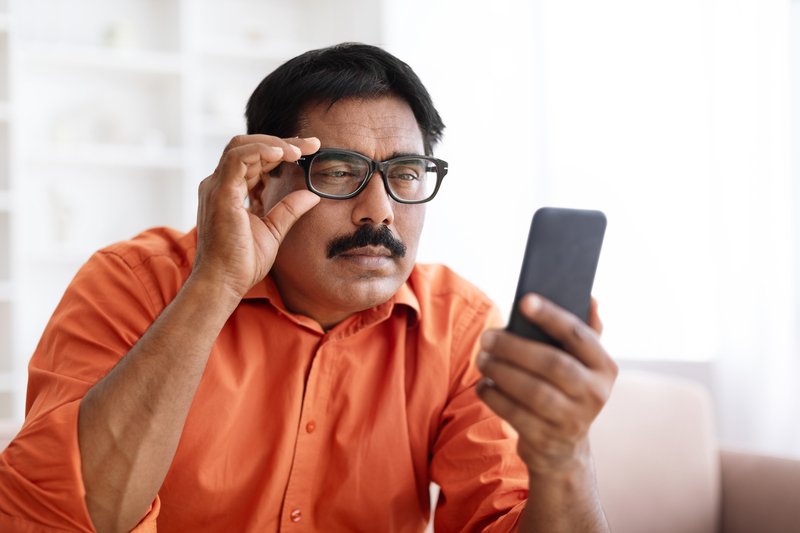
CVS typically arises when the eyes endure extended periods of near-work on display screens, leading to symptoms such as eyestrain, dry or burning eyes, blurred vision, headaches and even double vision. The American Optometric Association describes it as “a complex of eye and vision problems related to near work which are experienced during or related to computer use.” This strain is often compounded by poor ergonomic conditions, glare, low contrast screens and insufficient blinking, all amplifying the stress on ocular tissues.
What Causes CVS – From an Ayurvedic Lens
From an Ayurvedic perspective, CVS can correlate with conditions such as Shushkakshipaka or other forms of “netra roga” (eye disorder) where the frequent use of video display terminals disturbs both vata and pitta doshas. Modern research has noted that digital screen use aggravates dryness (vata) and heat/inflammation (pitta) which manifests as the hallmark symptoms of CVS.
Key contributing factors include:
- Back-lit screens that direct intense illumination into the eyes, leading to fatigue and overwork.
- Low contrast screens or pixelated displays that force the ocular system to work harder, increasing strain and ultimately CVS.
Ayurvedic Treatment for Computer Vision Syndrome
Ayurveda presents several local and systemic therapies to address CVS. These include:
- Aśchyotana – instillation of herbal eye drops, useful for relieving dryness and irritation.
- Netradhāra – pouring of herbal decoction or medicated oils over the eyes in a continuous flow, soothing strains of vision.
- Tarpana – retention of medicated ghee over the eyes (via dough ring or ghee pool) in more chronic or severe cases; shown in studies to be effective.
- Ayurvedic eye-washes and Anjana – traditional procedures where medicated pastes or washes cleanse and fortify the ocular surface.
- Alongside local therapies, eye-exercises, ergonomic advice (screen time breaks, correct lighting), diet and lifestyle modification form the systemic pillar of treatment.
Clinical studies support these approaches. For instance, a pilot study on Saindhavadīyoga in different dosage forms demonstrated that Tarpana with Saindhavadī ghṛta achieved better results for digital eye strain than standard lubricants. Another trial found efficacy of Triphala Ghṛta in Netratarpana for CVS sufferers. Thus, Ayurvedic therapies are not just anecdotal, but increasingly supported by peer-reviewed research.
Practical Ayurvedic Protocol & Prevention Tips
When it comes to Ayurvedic treatment for Computer Vision Syndrome, if you find yourself frequently squinting, battling dry eyes or ending the day with a headache after screen use, you might already be in the early stage of CVS. Here are Ayurvedic-inspired prevention and treatment tips:
- Follow the “20-20-20 rule”: every 20 minutes look 20 feet away for 20 seconds – allowing the eyes to reset.
- Use a screen with good contrast and minimise glare; adjust ambient lighting so that your screen isn’t the brightest source.
- Incorporate palming (cover your closed eyes with cupped palms for 30-60 seconds) and gentle eye-rotations into your breaks.
- Lean into Ayurvedic therapies: for example, local therapies like Aśchyotana with Triphala drops or Tarpana sessions every few weeks if you are a heavy screen user.
- Modify your diet to include ocular-supportive herbs and foods (e.g., Triphala, Shatavari, nutrients rich in lutein/zeaxanthin) and stay hydrated.
- Seek professional Ayurvedic diagnosis if symptoms persist: the underlying imbalances of dośa, dhātu and srotas are best addressed early.
Why Choose an Ayurvedic Approach?
While conventional treatments often focus on symptom relief (lubricants, corrective glasses, ergonomic changes), Ayurveda addresses the deeper root causes dosha vitiations, dhātu depletion and lifestyle dis-harmony. A 2022 conceptual article correlates CVS with vata-pitta imbalance and suggests that Ayurvedic Kriyākalpas (procedures) such as Tarpana, Anjana and Nasya can provide targeted relief. For digital-age eye strain, this integrative approach offers lasting relief, not just temporary respite.
Conclusion
If you spend long hours before screens and find your eyes dry, tired or strained, an Ayurvedic consult might be just what you need. By combining classical therapies like Tarpana, Netradhāra and eye-washes with simple lifestyle tweaks, you can restore your vision comfort and screen endurance. After all, vision is precious; preserving it with mindful care and centuries-old wisdom makes all the difference.
Have Questions, Concerns or need help with Ayurveda Eye care? We are here to help you.
"*" indicates required fields